
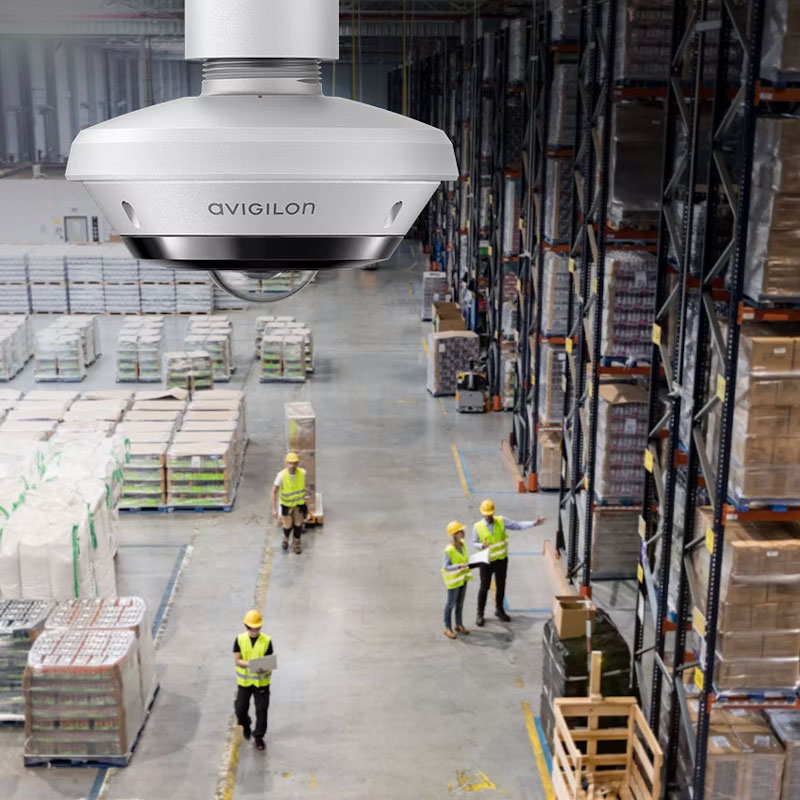
Vet a commercial security installer by first confirming licenses, manufacturer certifications, low-voltage credentials, insurance, and any disciplinary history in your jurisdiction. Then compare their experience with facilities like yours, including inspection results, false-alarm performance, and cross-team coordination. Review the actual systems they propose for compliance, interoperability, cybersecurity, logging, and durability. Finally, inspect monitoring terms, support […]
11
Feb
Feb
Before you hire a security camera installer, ask for proof of licensing and insurance, examples of similar projects, and a clear explanation of which system fits your property. You should also verify how they’ll plan camera placement, address blind spots, meet privacy rules, and support evidentiary image quality. Request a line-item estimate, warranty details, response […]

06
Feb
Feb
During a commercial security installation, you’ll start with a site assessment that confirms scope, entry points, power, network access, and device locations. Next, technicians run cabling, mount and label equipment, program devices, and test communication with the control interface. You should also expect risk review, equipment compatibility checks, and site-readiness coordination with IT and facilities. […]