

Commercial facilities need a security plan that supports visibility, access management, and day-to-day operational awareness. Whether a business has public entry points, employee-only areas, parking lots, storage spaces, or after-hours activity, the right security system can help owners and managers stay more informed about what is happening on the property.
At Sourced Security, we help commercial clients improve visibility, manage entry points, and support safer operations through video surveillance, access control, monitoring, and virtual guard solutions.
Why Commercial Facilities Need Thoughtful Security Planning
Every commercial property has different security needs. Some businesses welcome customers or visitors throughout the day, while others may have staff-only areas, equipment rooms, inventory spaces, or exterior access points that need closer attention.
A thoughtful security plan looks at how people move through the property, which areas need visibility, and where access should be limited. The goal is not to make the building feel difficult to use. The goal is to create a more organized and secure environment for employees, visitors, vendors, and management teams.
Sourced Security helps commercial facilities plan security systems around real property use, not generic equipment packages.
Video Surveillance for Visibility and Incident Review
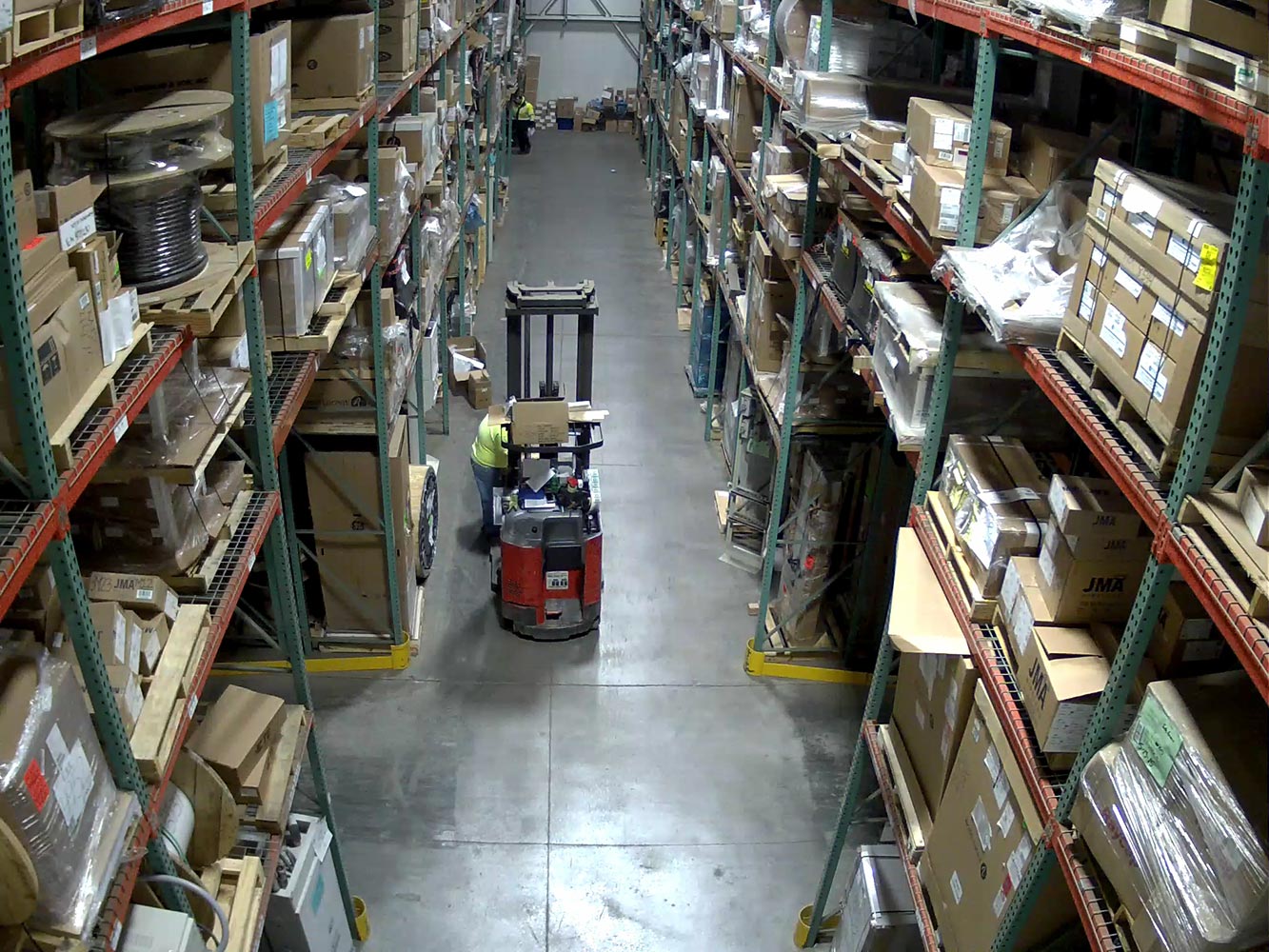
Video surveillance can help commercial facilities maintain better awareness of key areas across the property. Cameras may be useful near entrances, reception areas, parking lots, exterior doors, hallways, storage areas, and other spaces where activity may need to be reviewed later.
A properly planned camera system can help document activity, support internal review, and provide useful context when a concern is reported. Camera placement matters because footage is only helpful when it clearly captures the areas that matter most.
Sourced Security can help businesses plan camera coverage in appropriate locations so the system supports both daily operations and incident review.
Access Control for Employee-Only and Restricted Areas
Access control is useful for commercial spaces where certain areas should only be available to authorized employees, managers, or approved personnel. This may include offices, storage rooms, equipment rooms, staff entrances, or other restricted areas within the property.
Instead of relying only on physical keys, access control gives businesses a more organized way to manage who can enter specific spaces. It can also make it easier to update access when employees change roles, vendors need temporary access, or former staff should no longer have entry.
Sourced Security helps commercial facilities identify which areas should have controlled access and how those access points can support normal business operations.
Entry Point and Visitor Awareness
Many commercial properties have steady movement throughout the day. Employees, customers, vendors, contractors, and visitors may all enter the property at different times.
A strong security plan should consider how people enter, where they are allowed to go, and which areas need additional visibility or control. Cameras near main entry points and exterior doors can help support awareness, while access control can help reduce unauthorized movement into employee-only spaces.
For some commercial facilities, virtual guard monitoring may also add another layer of oversight during after-hours periods or around exterior areas.
Monitoring for After-Hours Activity
After-hours activity can be a concern for many commercial properties, especially when buildings have parking areas, exterior entrances, delivery zones, or equipment stored on-site.
Monitoring solutions can help support better awareness when staff are not present. When paired with video surveillance and access control, monitoring can help create a more complete commercial security plan.
Sourced Security can help determine where monitoring may be useful and how it should fit into the overall security setup.
Compliance-Aware Security Without Making Legal Claims
Some businesses may have internal policies, insurance requirements, or documentation needs related to safety and security. However, it is important not to claim that a camera system, access control system, or monitoring service automatically satisfies a specific law, regulation, or compliance standard.
Sourced Security can provide security tools that may support internal policies, access management, visibility, and incident documentation. For formal legal, regulatory, or insurance requirements, businesses should confirm details with the appropriate professional advisor.
This keeps the security plan practical, accurate, and aligned with the business’s actual needs.
Final Thoughts
Security in commercial facilities should be planned around the property, the people who use it, and the areas that need better visibility or access control. A strong system can support safer operations, clearer incident review, and more organized entry management.
Sourced Security helps commercial clients create practical security plans using video surveillance, access control, monitoring, and virtual guard solutions.
Contact Sourced Security to discuss security options for your commercial facility.
Frequently Asked Questions
What does HIPAA-Compliant Security: Balancing Patient Privacy and Safety in Healthcare Facilities entail?
HIPAA-Compliant Security: Balancing Patient Privacy and Safety in Healthcare Facilities involves implementing robust measures that both protect patient data privacy under HIPAA regulations and ensure staff and patient safety without compromising either.
How can healthcare facilities achieve HIPAA-Compliant Security: Balancing Patient Privacy and Safety in Healthcare Facilities?
Facilities can achieve HIPAA-Compliant Security: Balancing Patient Privacy and Safety in Healthcare Facilities by using encrypted communication, restricted access systems, updated security protocols, and staff training that prioritizes both privacy and physical security needs.
Why is HIPAA-Compliant Security: Balancing Patient Privacy and Safety in Healthcare Facilities important?
HIPAA-Compliant Security: Balancing Patient Privacy and Safety in Healthcare Facilities is important because it prevents unauthorized access to sensitive medical information while keeping staff and patients safe in emergency situations.
Is there a risk in achieving HIPAA-Compliant Security: Balancing Patient Privacy and Safety in Healthcare Facilities?
Yes, risks include overly restrictive access controls that hinder emergency response, so facilities must regularly review and balance security features to maintain safety.
Who is responsible for maintaining HIPAA-Compliant Security: Balancing Patient Privacy and Safety in Healthcare Facilities?
Healthcare administrators, IT departments, and security teams are responsible for maintaining HIPAA-Compliant Security: Balancing Patient Privacy and Safety in Healthcare Facilities.
When should healthcare facilities review their compliance with HIPAA-Compliant Security: Balancing Patient Privacy and Safety in Healthcare Facilities?
Healthcare facilities should regularly review their compliance with HIPAA-Compliant Security: Balancing Patient Privacy and Safety in Healthcare Facilities, especially after incidents, staff changes, or system updates.