
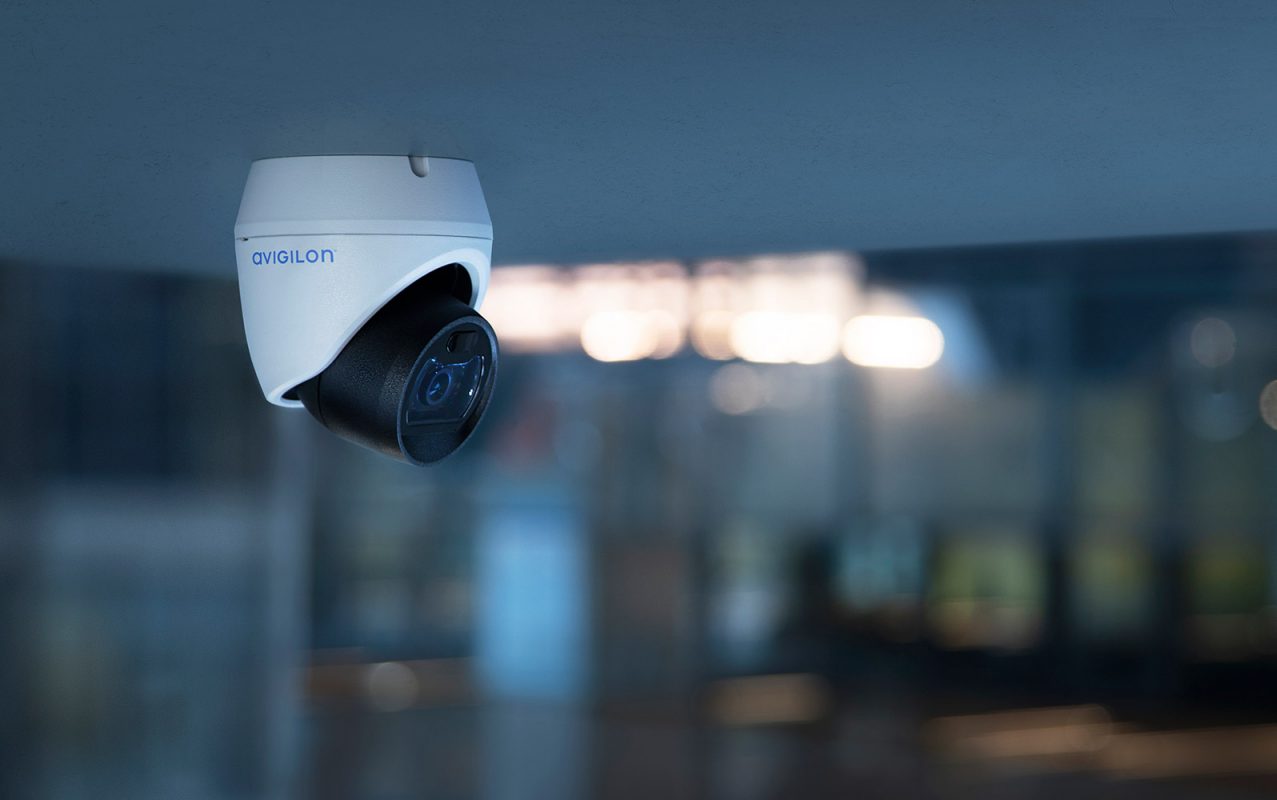
Commercial facilities need security systems that support visibility, access management, and day-to-day operational awareness. Employees, visitors, vendors, contractors, service providers, and management teams may all move through the property at different times, which can make it difficult to monitor every important area.
A thoughtful security plan can help businesses manage entry points, improve visibility, and respond more confidently when concerns arise.
At Sourced Security, we help commercial facilities design practical security systems using video surveillance, access control, monitoring, and virtual guard monitoring.
Why Commercial Facilities Need Integrated Security Planning
Security systems work best when they are planned together. Cameras, access control, monitoring, and virtual guard solutions should support the same goal: helping business owners and managers maintain awareness and control over key areas of the property.
A commercial facility may need visibility around entrances, parking areas, exterior doors, shared spaces, delivery areas, employee-only areas, and other important access points. Access control may also be useful for offices, storage rooms, equipment areas, staff entrances, and other restricted spaces.
Sourced Security helps commercial facilities design systems around the layout of the property and the daily movement of employees, visitors, vendors, and authorized personnel.
Access Control for Controlled Entry
Controlled entry is an important part of commercial security. It helps businesses manage who can enter specific areas of the property and reduces the need to rely only on traditional keys.
Access control can help limit entry to approved employees, managers, vendors, or authorized personnel. It can also make it easier to update access when roles change, staff members leave, or temporary access is needed for a vendor or contractor.
For commercial facilities, access control may be useful at main entrances, staff entrances, offices, storage rooms, equipment rooms, and other areas that should not be open to everyone.
Video Surveillance for Property Visibility
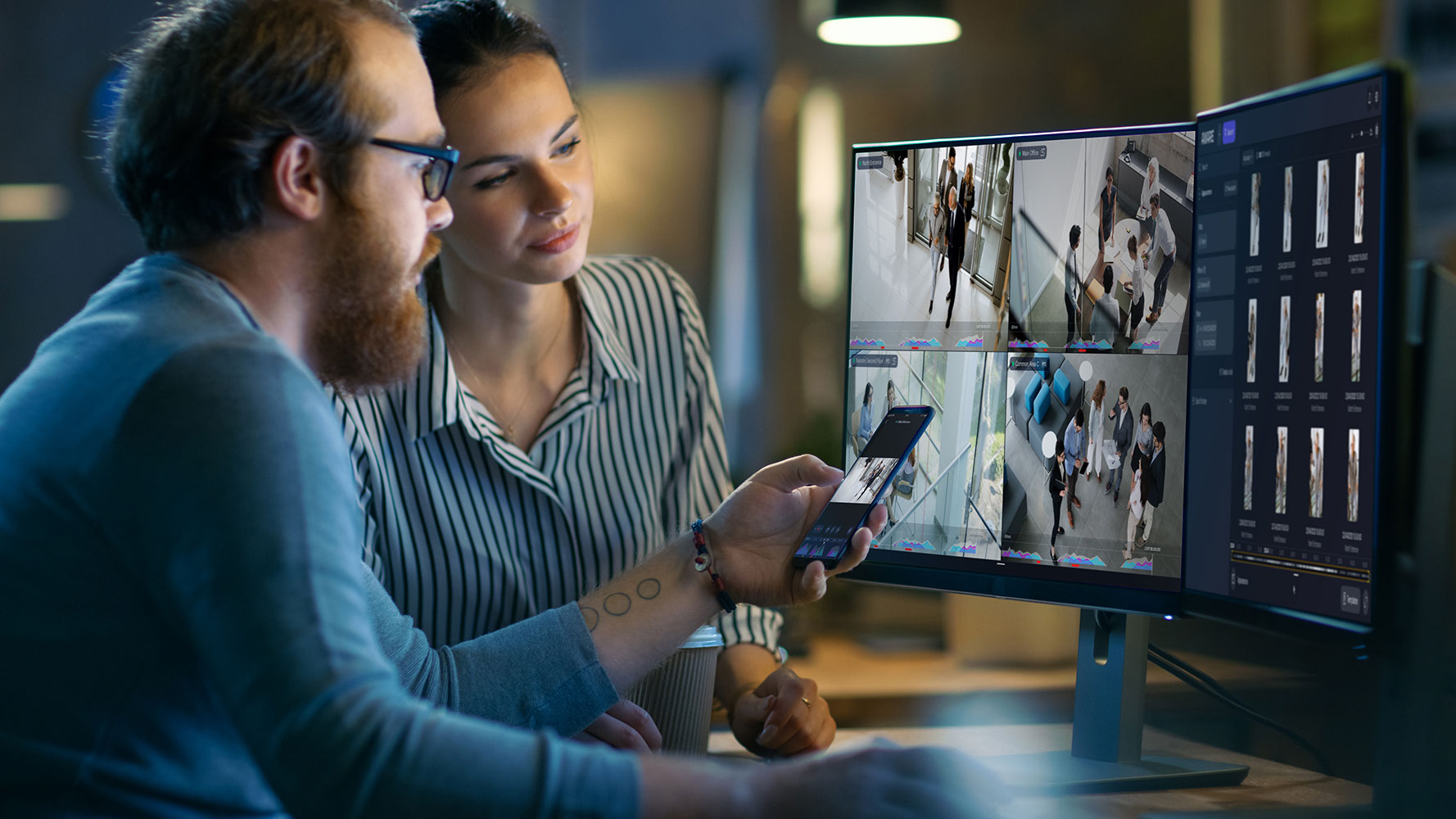
Video surveillance can help business owners and managers maintain better visibility across the property. Cameras may be placed near entrances, parking areas, exterior doors, shared spaces, delivery areas, and other common or operational areas.
The purpose of video surveillance is to support awareness and incident review. If a concern is reported, footage may help management understand what happened and respond appropriately.
Camera placement should be thoughtful and privacy-aware. Sourced Security can help commercial facilities identify appropriate camera locations that support visibility while respecting privacy expectations.
Visitor Awareness and Daily Operations
Commercial facilities often have steady movement throughout the day. Employees, visitors, vendors, contractors, and service providers may all enter and leave at different times.
A security system should support these daily routines, not disrupt them. Cameras can provide visibility around entrances, parking areas, and exterior access points. Access control can help keep employee-only or restricted areas better protected. Monitoring can also support property awareness when the facility is closed or lightly staffed.
Sourced Security works with commercial clients to build systems that fit the way the property is used each day.
Virtual Guard Monitoring for Additional Oversight
Some commercial facilities may benefit from virtual guard monitoring, especially after hours or around exterior areas. This can provide another layer of awareness for entry points, parking lots, delivery zones, side entrances, or other spaces that may need additional oversight.
Virtual guard monitoring can support a broader security plan when used alongside cameras, access control, and other monitoring solutions.
Security Planning Without Overpromising
Commercial security is important, but content should avoid unsupported promises about response times, legal compliance, or specific security outcomes. A security system can support safer operations and better awareness, but it should not be described as guaranteeing prevention or compliance.
Sourced Security provides tools that can help commercial facilities manage access, monitor key areas, and review incidents. For formal legal, insurance, or regulatory requirements, businesses should consult the appropriate professional advisors.
Final Thoughts
Commercial facilities need security systems that are practical, organized, and designed around daily operations. The right combination of video surveillance, access control, monitoring, and virtual guard monitoring can help support better visibility, stronger access management, and a more complete layered security plan.
Contact Sourced Security to discuss security options for your commercial facility.
Frequently Asked Questions
How does campus-wide security integration protect private schools and daycares?
Campus-wide security integration combines access control, surveillance, and emergency communication systems into one unified platform. For private schools and daycares, this creates real-time visibility and rapid response capabilities that keep children and staff safe from unauthorized intruders or emergencies.
What key features should be included in Safeguarding Educational Institutions: Campus-Wide Security Integration for Private Schools and Daycares?
The wichtigsten features for Safeguarding Educational Institutions: Campus-Wide Security Integration for Private Schools and Daycares include visitor management, AI-powered video analytics, panic buttons, and layered perimeter defenses. These features help private schools and daycares maintain a secure environment for young learners.
Who is responsible for implementing Safeguarding Educational Institutions: Campus-Wide Security Integration for Private Schools and Daycares?
School administrators, facility managers, and security consultants work together to implement Safeguarding Educational Institutions: Campus-Wide Security Integration for Private Schools and Daycares. They design and install the systems that keep children and staff protected across the entire campus.
Does campus-wide security integration require special training?
Yes. Teachers, staff, and security personnel must receive ongoing training on how to use the unified security system. This training includes emergency protocols, system maintenance, and proper use of access-control devices so that Safeguarding Educational Institutions: Campus-Wide Security Integration for Private Schools and Daycares works effectively.